
For generations, cotton socks were the undisputed champions of foot comfort. But in recent years, they’ve been steadily replaced by socks made from synthetic materials like polyester. This dramatic shift has left many wondering what happened to the beloved cotton sock.
The Rise of Synthetic Fabrics
The primary driving force behind the decline of cotton socks is the emergence of alternative materials. Polyester and other synthetic fabrics offer several advantages over cotton:
- Increased durability: Cotton socks are prone to stretching and tearing, especially after numerous washes. Synthetic socks are typically more durable and can withstand more wear and tear.
- Better moisture-wicking properties: Cotton absorbs moisture readily, leading to dampness and discomfort. Synthetic fabrics wick moisture away from the skin, keeping feet dry and comfortable.
- Enhanced elasticity: Cotton lacks elasticity, making it prone to sagging and bunching. Synthetic socks offer better elasticity, ensuring a snug and comfortable fit.
Challenges for Cotton Socks
Cotton socks face several challenges in the current market:
- Cost: Cotton is more expensive to produce than synthetic fabrics.
- Care: Cotton requires more careful washing and drying than synthetic fabrics.
- Performance: Cotton socks absorb moisture and can become damp and uncomfortable in various conditions.
Factors Influencing the Shift
Several factors have influenced the transition away from cotton socks:
- Athlete demand: Athletes often prefer synthetic socks for their moisture-wicking and performance qualities.
- Consumer preferences: Consumers have increasingly valued the benefits of synthetic socks, such as durability and comfort.
- Manufacturing trends: Manufacturers have found it more profitable to produce socks from synthetic materials.
The Future of Cotton Socks
Despite their decline in popularity, cotton socks still have a place in the market. Consumers still appreciate the natural breathability and softness of cotton. However, cotton socks are likely to remain a niche product, primarily favored for casual wear or specific situations where cotton’s unique properties are desired.
Conclusion
The dominance of cotton socks is over. The rise of synthetic materials has led to a shift in sock preferences, with consumers and manufacturers alike embracing the benefits of these newer fabrics. While cotton socks still exist, they have become less prevalent in the modern sock market.
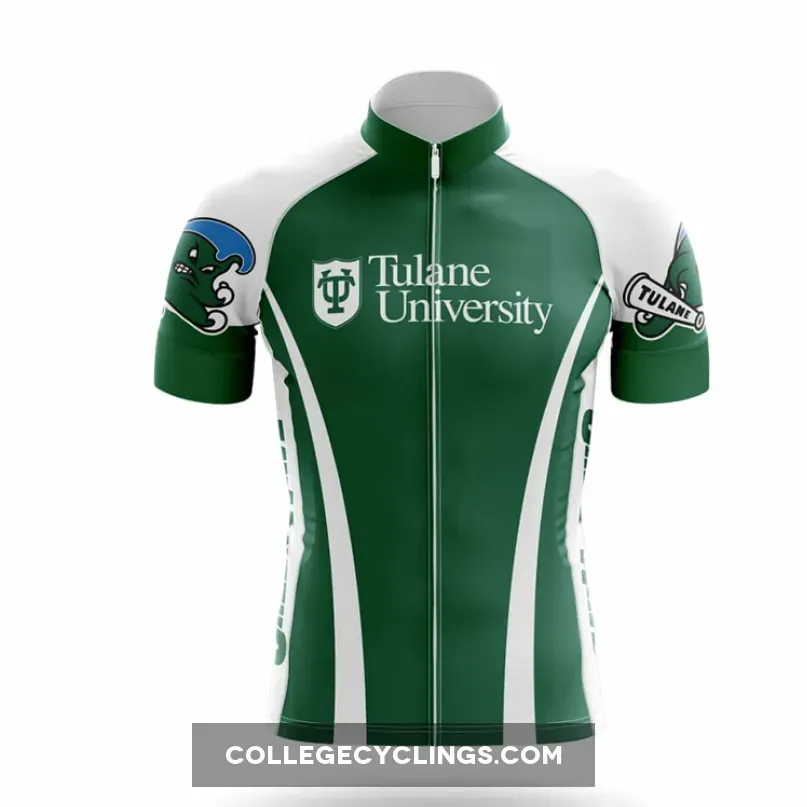 CLICK HERE TO Buy Tulane University – Men’s Cycling / Jersey Only Brand New