
Cycling is more than just pedaling. It’s an exhilarating journey, a way to connect with nature, and a fantastic way to build fitness and forge friendships. But for many, the prospect of joining a cycling club can feel daunting. How do you find a group that aligns with your skill level, riding style, and overall goals?
Don’t worry, you’re not alone in this quest! There’s a cycling club out there for everyone, whether you’re a seasoned veteran conquering challenging climbs or a newbie just getting started on two wheels. Here’s a comprehensive guide to help you navigate the world of cycling clubs and find your perfect fit:
1. Skill Level and Riding Style: Finding Your Pace
The first crucial step is honestly assessing your own cycling abilities and preferences. Are you a seasoned rider who thrives on challenging climbs and long distances, or are you a beginner who prefers leisurely rides along scenic trails? Do you enjoy group rides where everyone works together, or do you prefer solo adventures?
Once you have a clear understanding of your skill level and riding style, you can start to narrow down your club options. Look for groups that cater to your specific needs. Some clubs specialize in road cycling, while others focus on mountain biking, gravel riding, or even commuting.
2. Group Size: A Balancing Act Between Camaraderie and Independence
The size of a cycling group can significantly impact your riding experience. Large groups can offer a sense of community and support, especially for beginners. However, they can also feel overwhelming, especially if you’re a more introverted rider. Smaller groups offer a more intimate experience, allowing for more individual attention and a chance to build stronger bonds with fellow cyclists.
Consider your comfort level with group dynamics and decide what feels right for you. Some clubs might have different subgroups within them, allowing for smaller, more specialized rides based on skill level or riding preference.
3. Distance and Intensity: Matching Your Mileage and Pace
Cycling clubs often offer a range of rides, catering to different distances and intensities. Some rides might be leisurely, covering shorter distances at a relaxed pace, while others might be more challenging, pushing you to your limits with longer distances and faster speeds.
Think about your fitness goals and time constraints. Do you want to build endurance with longer rides, or are you more interested in shorter, high-intensity workouts? Find a club that offers rides that align with your desired distance and intensity levels.
4. Social Atmosphere: Finding Your Vibe
Beyond the physical aspects of cycling, a club’s social atmosphere plays a significant role in your overall experience. Some clubs emphasize performance and competition, while others prioritize camaraderie and fun.
Do you prefer structured rides with a strong focus on speed and efficiency, or are you more drawn to casual rides with plenty of time for chatting and enjoying the scenery? Consider attending a few rides with different clubs to get a feel for their social dynamics and see which one resonates with your personality.
5. Frequency and Schedule: Balancing Your Cycling Life
Cycling clubs usually have a set schedule for their rides, offering various options to suit different lifestyles. Some clubs meet weekly, while others have rides planned for specific days of the week.
Consider your availability and schedule when choosing a club. Do you have flexible weekends, or are you looking for a group that rides during weekdays? Make sure the club’s ride schedule aligns with your own schedule to ensure you can consistently participate.
6. Personal Development Opportunities: Stepping Up Your Game
Some cycling clubs offer additional opportunities for personal development beyond regular rides. These might include workshops, training sessions, clinics, or even racing opportunities.
If you’re looking to improve your cycling skills, boost your fitness, or even try competitive cycling, consider a club that offers these resources. These opportunities can provide valuable insights and support, helping you reach your cycling goals.
7. Leadership and Organization: Navigating the Group Dynamics
The leadership and organization of a cycling club can significantly impact your experience. A well-organized club with experienced leaders will ensure safe and enjoyable rides.
Look for clubs with clear communication channels, a designated ride leader for each group, and a focus on safety protocols.
8. Safety and Rules: Riding with Confidence and Respect
Safety should always be a top priority when cycling, especially in a group. Make sure the club you choose emphasizes safety and has clear rules and guidelines for group rides.
These might include:
- Ride etiquette: Respecting other road users, signaling turns, staying in a single file, etc.
- Mechanical support: Having a designated mechanic or a system for addressing mechanical issues during rides.
- Communication: Clear communication between riders, especially during turns, descents, and encounters with traffic.
- Emergency procedures: Having a plan for dealing with emergencies, such as flat tires, crashes, or medical situations.
Beyond the Checklist: Finding Your Cycling Family
While this list provides a good starting point for choosing a cycling club, the ultimate decision comes down to your personal preferences and what resonates with you.
Don’t be afraid to reach out to different clubs, attend a few rides, and chat with members. The best way to find your cycling family is to experience the different options and see where you feel most comfortable and inspired.
Happy cycling!
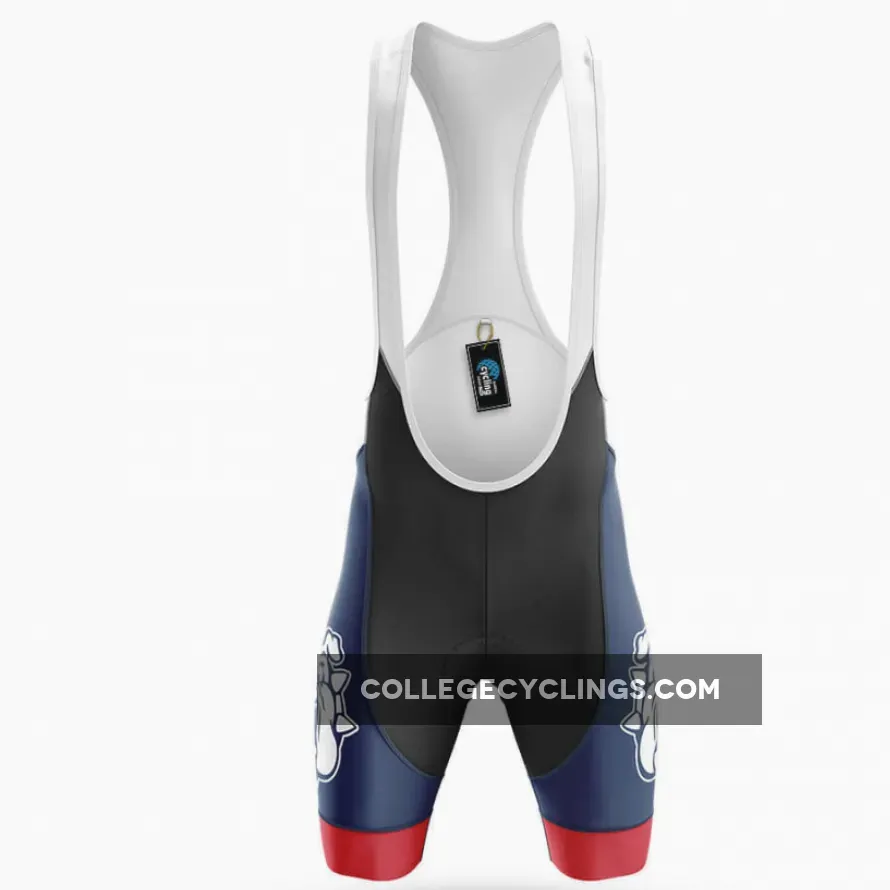 CLICK HERE TO Buy : Fresno State Bulldogs – Men’s Cycling / Bibs Only